Species Diversity in the Wolf River Watershed


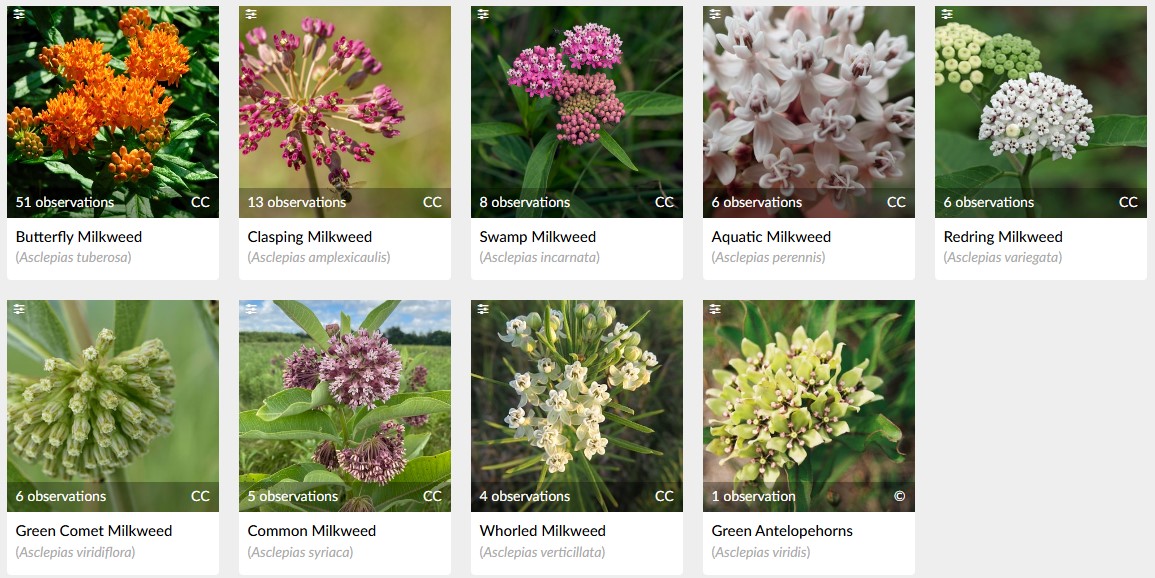
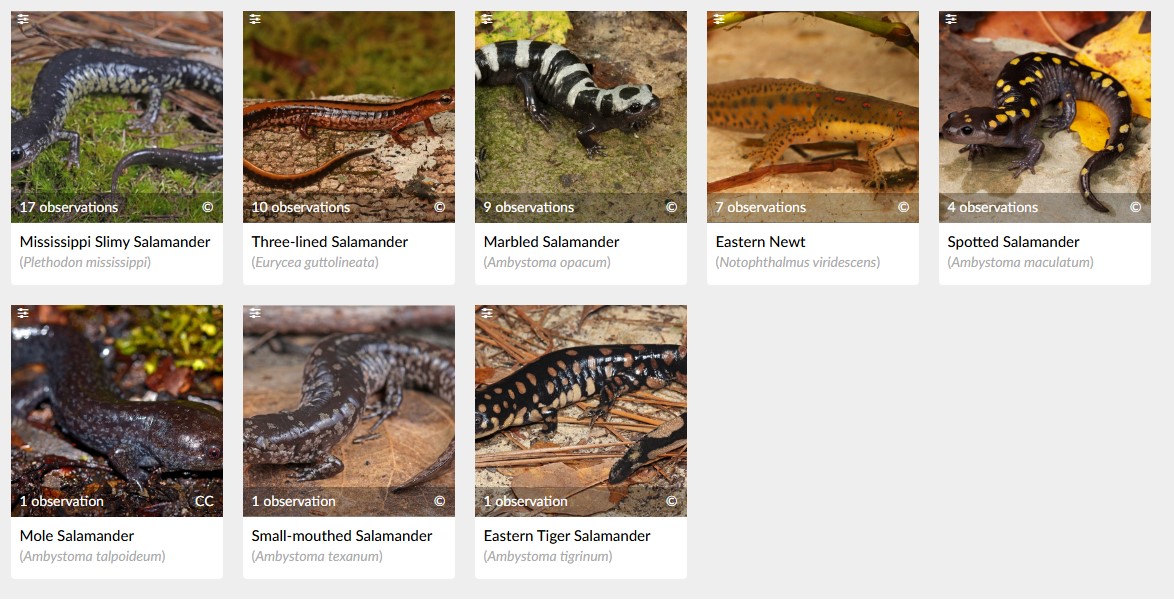
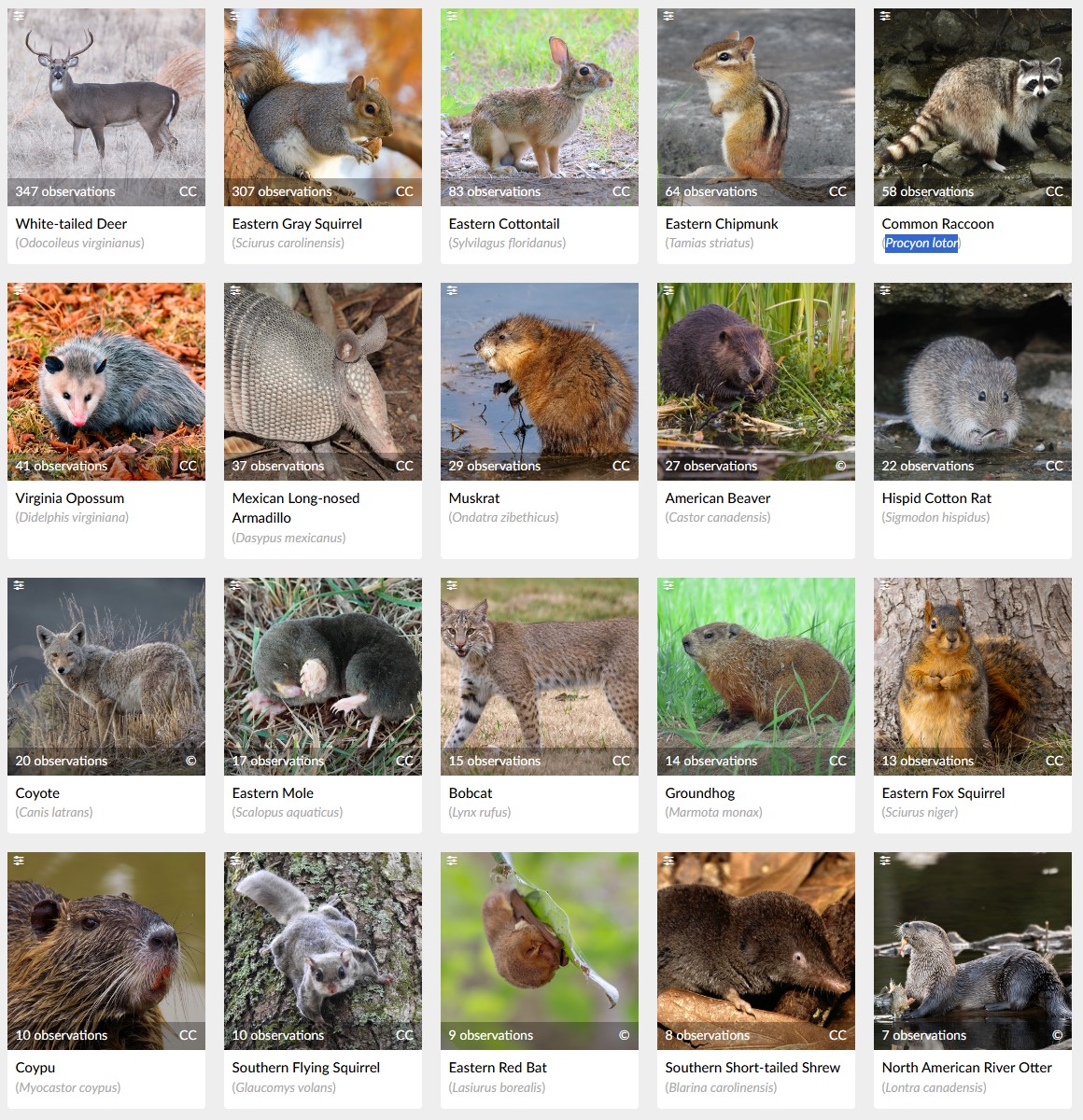
In the spirit of Earth Month, we are highlighting the diversity of the world around us – just more focused to home. Have you ever wondered how many species of birds or plants are growing around you? Well, the Conservancy has, and we’ve been tracking it through citizen science via iNaturalist. With this platform, anyone has the ability to research what plants, animals, amphibians, or other types of species can be found nearby. Looking within only the Wolf River watershed, there have been verified (via iNaturalist) to be 712 native plant species. As a general rule of thumb, watersheds in our ecoregion that have over 600 native plant species are considered high diversity. If you are lucky, you may encounter one of the 8 native species of salamanders near the river or tributary streams. For native birds, 262 species have been verified. That’s a lot of different avians flying around us! Now if you notice our language here, we are not counting nonnative species, some of which are invasive. Invasive species monitoring and management is a subject for another day. For now, let us all enjoy the native species (over 3,200 research grade and counting) that contribute to the Wolf River watershed being one of the most diverse in the Mid-South.
We at Wolf River Conservancy encourage you to explore any of the thousands of acres of public lands that we have helped to create and experience, learn, and enjoy the species richness around us. Also, we encourage you to download iNaturalist and document species as best you can.
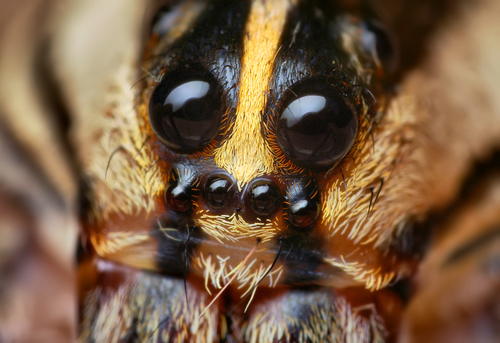
Less than 60% of the 5,490 species documented have been fully confirmed to research grade. Also an important note is that the species listed in iNaturalist are the ones which have been observed and documented by citizens so far and that there are probably many more species out there in the watershed - especially insects, spiders, fish, etc., and many other hard to observe or photograph organisms. That's not even considering the microscopic world! We need your help to find and confirm more species. Happy exploring!
Discover the rich biodiversity of the Wolf River watershed with iNaturalist, from native plants and birds to salamanders, and learn how you can help conserve it