Natural Highlights: Shagbark Hickory


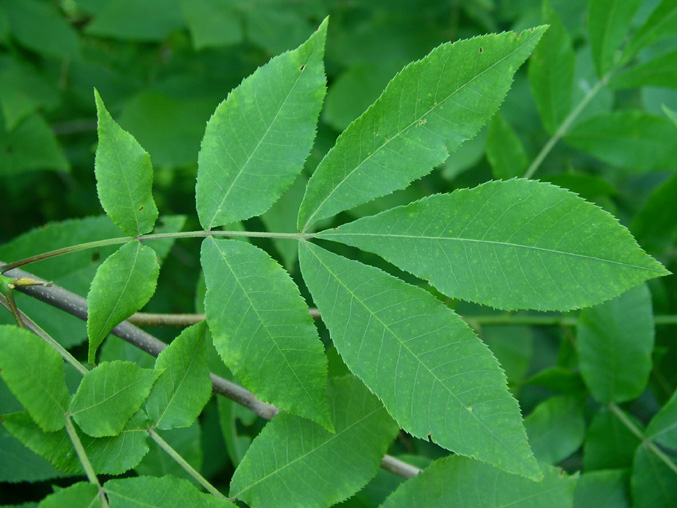
One of the tree species to be planted at our upcoming Annual Tree Planting event on Mar. 7 is the Shagbark Hickory (Carya ovata), easily recognized by its noticeably shaggy bark at maturity. This large, attractive shade tree can grow to 80 feet in height and is a very important member of the hardwood forest community, punching above its weight ecologically.
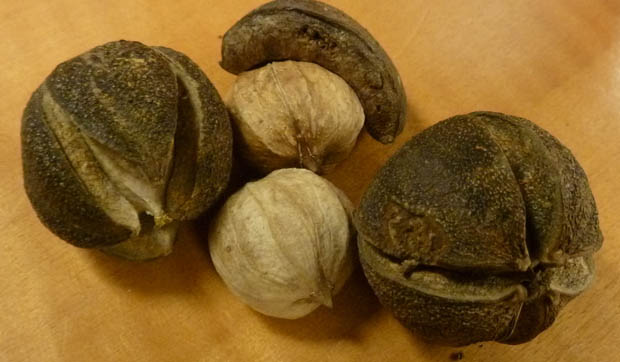
The large, hanging plates of bark which give this tree its name and its shaggy appearance, provide crucial shelter for roosting bats including the endangered Indiana Bat. This abundance of crevices also shelters many other small creatures, especially invertebrates. The compound leaves of Shagbark Hickory feed the caterpillars of over 200 moth and butterfly species including the Luna Moth, the Hickory Horned Devil, and the Banded Hairstreak, and the leaves and twigs support more invertebrate species once they fall to the ground and accumulate as leaf litter. All of this insect bounty in turn supports birds and other wildlife, as do the sheltering branches of the trees. Hickory nuts are prized by squirrels, chipmunks, foxes, bears, deer, wild turkeys, wood ducks, and other species, and the springtime catkins which produce the nuts feed many birds and pollinating insects as well.
The Shagbark Hickory’s outsized benefits to wildlife are impressive enough, but the tree has also been treasured by people for thousands of years. The word “hickory” is derived from the Algonquian word “pawcohiccora” for hickory milk, prepared by pounding and boiling hickory nuts for use in cooking. The nuts themselves are delicious – no surprise since the genus Carya also includes the famous pecan tree (Carya illinoiensis). Hickory bark was used to make a yellow dye, and hickory wood was often used to create the wagon and carriage wheels of yesteryear and is still among the best firewoods in the forest. The wood continues to be extremely valuable for various wood products and for the production of charcoal, smoked hams, and more. Tennessee’s Andrew Jackson was nicknamed “Old Hickory” by the troops he commanded because they considered him as tough and durable as hickory wood.
If all goes well, a Shagbark Hickory can live to be 200 or more years old, benefitting many generations of its wild and human community members. Our Annual Tree Planting on March 7 is a chance for volunteers to put some of these magnificent trees in the ground, then watch them grow and flourish in the years ahead.
For more information on the Shagbark Hickory, we suggest these links:
https://www.instagram.com/reel/DULO4vmDgcK/
https://www.nwf.org/Educational-Resources/Wildlife-Guide/Plants-and-Fungi/Shagbark-Hickory
https://ohiodnr.gov/discover-and-learn/plants-trees/broad-leaf-trees/shagbark-hickory-carya-ovata
The Shagbark Hickory is a powerful native tree, supporting wildlife, feeding birds and pollinators, and leaving a legacy that can last 200+ years.



.png)