Celebrating American Wetlands Month


Dear Wolf River Conservancy Friend,
May is American Wetlands Month, a time to recognize one of the most important and often under-appreciated natural systems often found in our back yards or just down the street from where you work and live. For those of us who live in the Mid-South, wetlands are not distant or abstract places. They are part of our natural heritage, part of the story of the Wolf River, and part of what makes this region ecologically rich, resilient, and worth protecting.
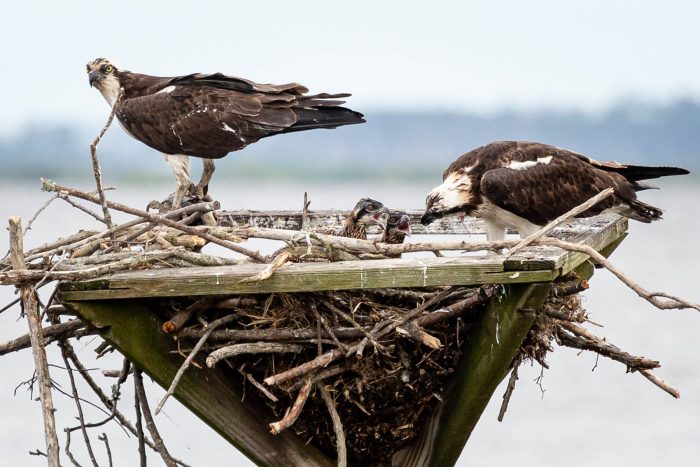
Wetlands do extraordinary work for our communities. They help filter water, reduce flooding, store stormwater, recharge groundwater, and provide critical habitat for plants, fish, birds, amphibians, and other wildlife.
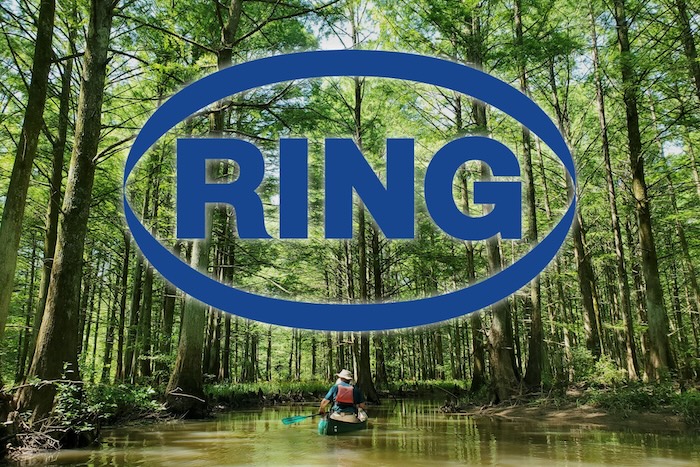
Here in the Wolf River watershed, wetlands are especially important because they help define the character and function of the landscape. They are found in bottomland hardwood forests, cypress sloughs, floodplains, and low-lying areas that hold water after heavy rains. These places may not always look dramatic at first glance, but they are doing quiet, essential work every day. They slow water down. They give wildlife room to live and move. They support the health of the river. They help protect the natural systems that make the Mid-South such a special place.
Wetlands also connect us to our region’s history. Long before roads, subdivisions, and commercial development shaped the landscape, the Wolf River and its surrounding wetlands helped sustain a vast and dynamic ecosystem. Bald cypress forests, seasonal pools, and rich wildlife habitat are all part of that legacy. When we protect wetlands, we are not only protecting land. We are protecting a living connection to the natural legacy of this region.
At the Wolf River Conservancy, wetlands play an important role in how we evaluate land for protection. When we consider a property, we look closely at its ecological value, its connection to the river, its relationship to floodplains and surrounding protected lands, and the quality of its habitat. Wetlands often rise to the top of that evaluation because they provide multiple benefits at once. A single wetland area can support biodiversity, improve watershed health, help manage stormwater, and strengthen the long-term resilience of nearby communities.
This is why protecting land in the Wolf River watershed matters so much. Every acre we conserve is part of a larger system. When wetlands are protected, the benefits extend beyond the boundaries of a single property. They support cleaner water in our aquifer, healthier habitat, stronger natural corridors, and a more resilient Mid-South.
American Wetlands Month is a reminder that some of our most valuable natural resources are also some of our most vulnerable. Wetlands have too often been viewed as empty or unusable land, when in reality they are among the hardest working landscapes we have. They serve people, wildlife, and future generations.
As we celebrate American Wetlands Month, I hope you will take a moment to see wetlands not as overlooked places, but as essential places. They are part of who we are as a region. They are part of the Wolf River’s story. And with your continued support, they will remain part of the Mid-South’s future.
Thank you for helping us protect and enhance the lands and waters that sustain our community.
Erik Houston
Executive Director
Wolf River Conservancy
Celebrate American Wetlands Month with Wolf River Conservancy—protecting Mid-South wetlands that filter water, reduce flooding, and support wildlife.


.png)