Natural Highlights: American Persimmon


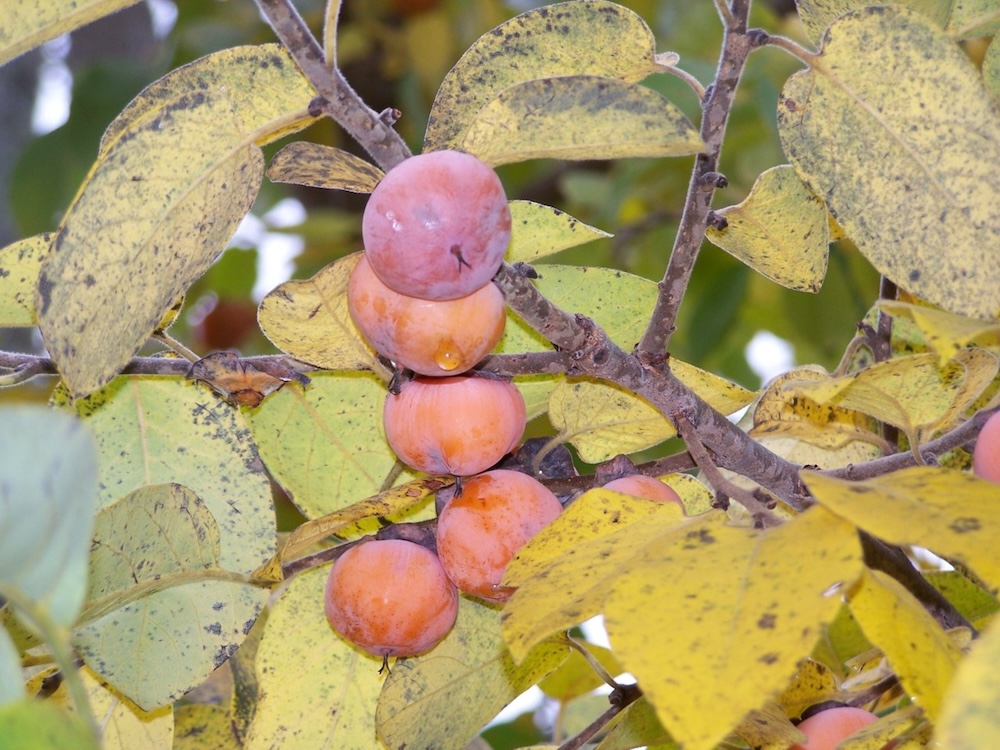
Even though it’s still too early to sample this year’s wild persimmons, the trees are easy to spot in the woods. Look for unripe green fruits, simple glossy leaves, and the distinctive deeply furrowed bark that becomes more pronounced with age. Alongside the Pawpaw, the American Persimmon (Diospyros virginiana) is one of the region’s most beloved native fruit‑bearing trees, valued for thousands of years by people and wildlife alike.
Persimmons support an impressive range of wildlife. At least 14 moth species, including the striking Luna Moth, rely on persimmon foliage. Native bees and honeybees visit the flowers, and the ripe fruit is enjoyed by deer, squirrels, raccoons, opossums, skunks, foxes, coyotes, wild turkeys, and more. Deer also browse the leaves of young trees, making persimmons an important part of the forest food web.
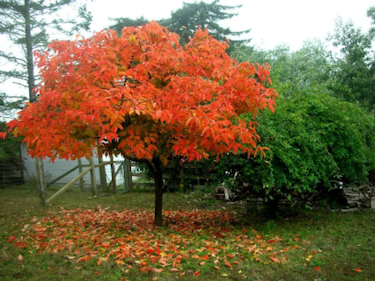
The American Persimmon is dioecious, meaning male and female flowers grow on separate trees. Only female trees produce fruit, so anyone planting persimmons should include both sexes, or several seedlings, to increase the likelihood of fruit production. Beyond their ecological value, persimmons offer attractive fall foliage and historically provided dense wood once used to make a type of golf club known as a “wood.”
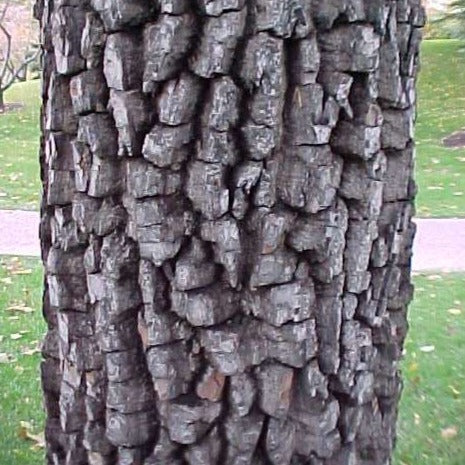
While the bright orange fruits of late fall are the most recognizable feature, persimmons also display small, urn‑shaped cream‑colored flowers in spring. Their bark, especially on older trees, forms a distinctive checkerboard pattern. When it comes to tasting the fruit, patience is essential. Persimmons must be fully ripe, soft, almost mushy, to avoid their famously astringent, mouth‑puckering effect. Waiting until after the first frost is usually best.
Persimmon seeds have long been part of regional folklore. When cut open, the cotyledon inside may resemble a knife (harsh winter), a fork (mild winter), or a spoon (snowy winter). While there’s no scientific evidence linking seed shapes to weather patterns, it’s a fun seasonal tradition, and there’s no harm in checking a few seeds this fall.
Additional Resources
- American Persimmon – NC State Extension
- Lady Bird Johnson Wildflower Center
- Persimmon Identification Video
- Persimmon Seed Weather Folklore
- Growing Persimmons – Food Forest Nursery
Learn how to spot American Persimmons, their wildlife value, seasonal traits, and the folklore behind predicting winter using persimmon seeds.



.png)