Photo Workshop with the Memphis Brooks Museum of Art


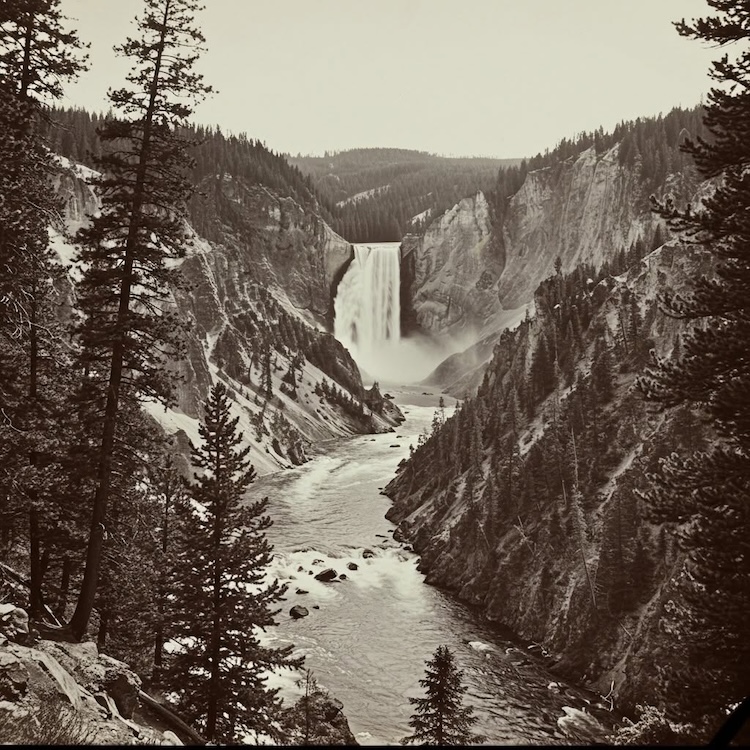
This June, The Memphis Brooks Museum of Art and The Wolf River Conservancy offered a workshop on conservation and the photographic landscape.
Conservation and landscape photography has historically played an important role in documenting the natural environment, fostering environmental awareness, and encouraging efforts to preserve and protect vulnerable ecosystems. In the nineteenth century, landscape photography emerged as a powerful tool for conservation by revealing the grandeur and vulnerability of the natural world to audiences who might never experience it firsthand. As photographic practice advanced, photographers such as Carleton Watkins, Timothy H. O'Sullivan, and William Henry Jackson documented the dramatic landscapes of the American West with unprecedented realism. Their images of places like Yosemite Valley and Yellowstone reached lawmakers, scientists, and the public, providing compelling visual evidence of the need to protect these extraordinary environments from unchecked development and resource extraction. Watkins's photographs of Yosemite, in particular, helped influence the passage of the 1864 Yosemite Grant, while Jackson's photographs played a significant role in the establishment of Yellowstone as the world's first national park in 1872. By transforming distant wilderness into tangible, persuasive images, nineteenth-century landscape photography became an essential instrument in the early conservation movement, demonstrating the power of visual media to shape public opinion and inspire environmental stewardship.
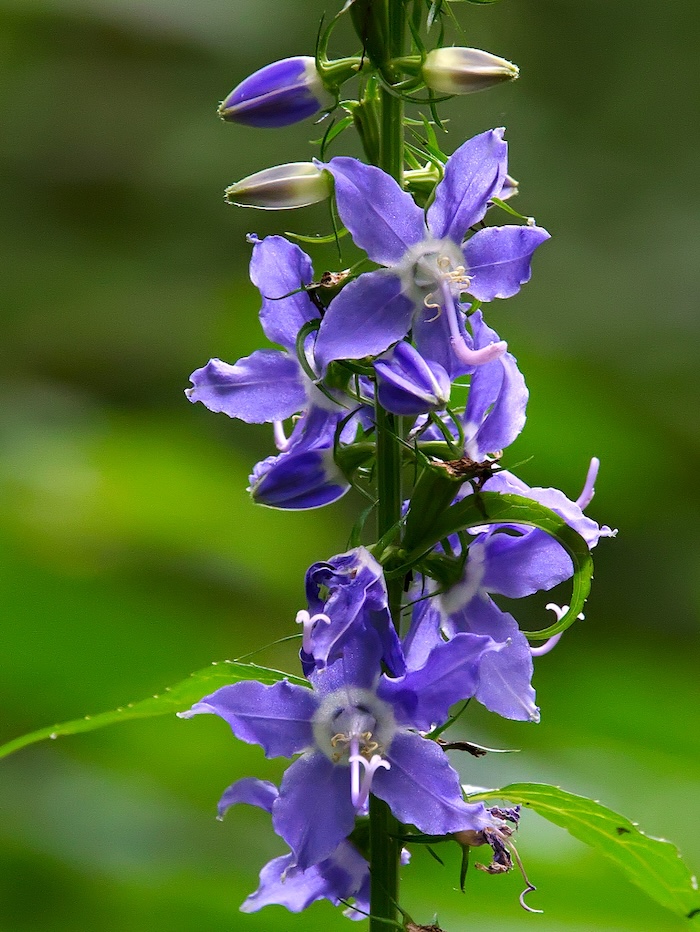
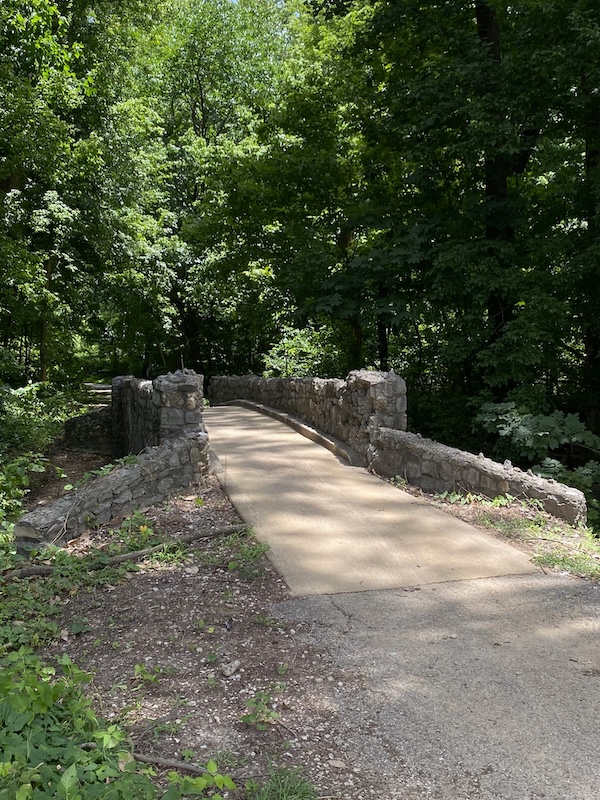
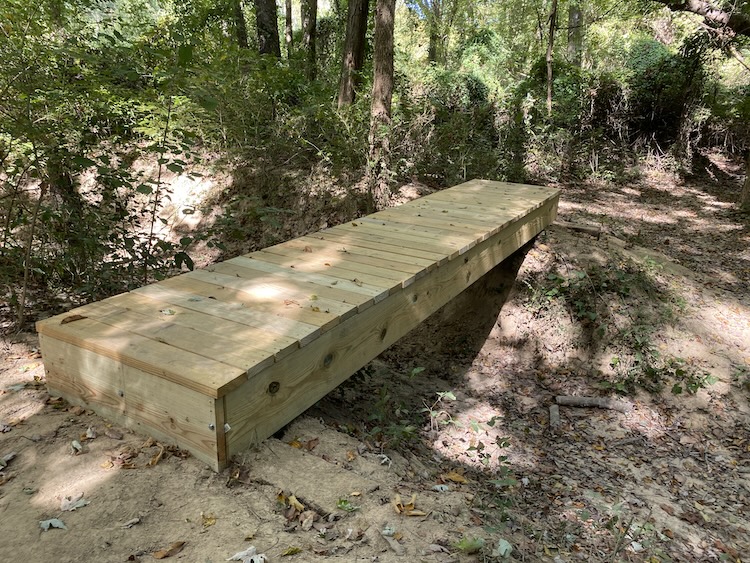
University of Memphis Professor Emeritus David Horan led an iPhone workshop on June 27th, at The Memphis Brooks Museum of Art, allowing participants a glimpse into the intersectional nature of conservation and photography in the classroom. Students then ventured into the wilds of Overton Park to improve their photography skills. This workshop was a perfect intro for beginners and an excellent foray into smart phone photography for experienced creators. The images below were generated from field work for our class.
We would like to thank the students, Professor Horan, and MBMA for making this possible.
Explore how photography and conservation intersected in a hands-on workshop with the Memphis Brooks Museum of Art and Wolf River Conservancy.