Not So Scary: Meet the Wolf Spider


Our thanks to Dr. Steve Reichling of the Memphis Zoo for his program on tarantulas on Oct. 14th at Memphis Botanic Garden, and to the lovely female tarantula he brought to place in the hands of willing visitors! In spite of their impressive size, tarantulas are timid, retiring creatures, spending most of their lives deep underground. They are so easily handled, they are quite vulnerable to exploitation by the exotic pet trade.
In the Midsouth, we have no native tarantulas east of the Mississippi, but we do have some big spiders, and Wolf Spiders of the Family Lycosidae are probably the ones which most remind people of the much larger tarantulas. More than a few people are alarmed to encounter the large, hairy wolf spiders which occasionally wander indoors in search of food or warmth. Fortunately, like tarantulas, they present little danger to humans. Wolf spiders are not aggressive to humans and other mammals, are in fact quite shy, and are unlikely to bite unless provoked – by mishandling them for instance. Even then the venom is not considered hazardous to people and the bite feels no worse than a bee sting.
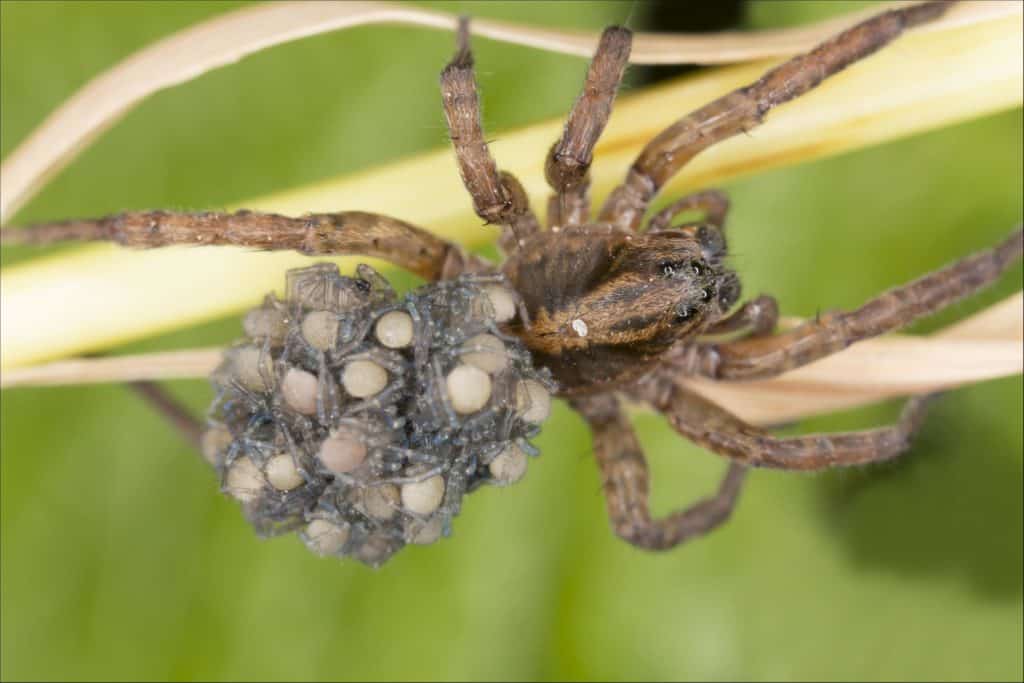
Wolf spiders roam around looking for insects and other invertebrates to run down and consume – crickets, flies, cockroaches, and more. Their size, speed, fangs and long legs serve them well as predators, which provide free pest control in and around our houses. Outside, their preferred habitat tends to be the leaf litter of the forest floor, full of small invertebrates to prey on, but wolf spiders can be found in any terrestrial habitat that supports insects. They do not build webs, and female wolf spiders carry their egg sacs around protectively on their abdomens. When the eggs hatch, up to 100 tiny spiderlings climb onto female’s back and remain there for a week or more.
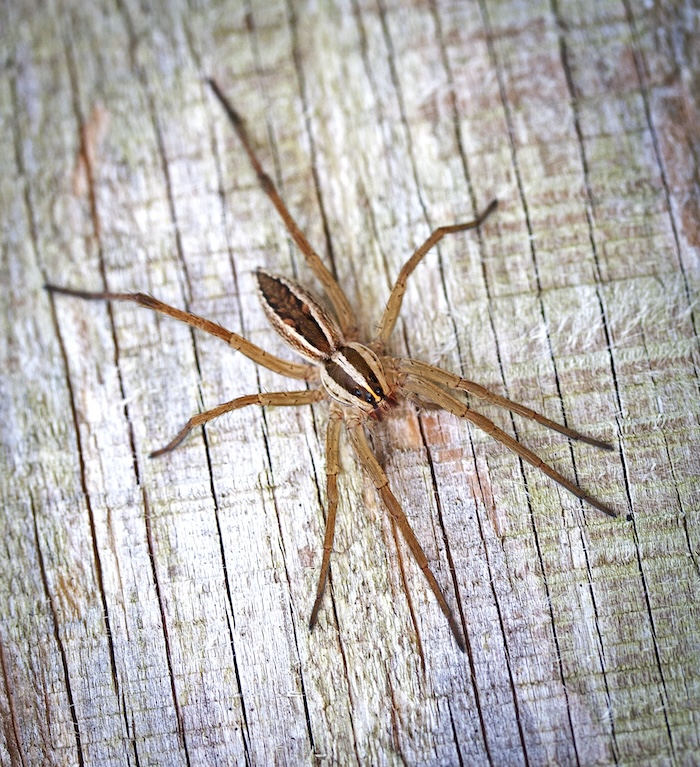
There are 21 genera and 240 species of wolf spiders in North America, and many of them are known to occur in Tennessee. A few common species include the Carolina Wolf Spider (Hogna carolinensis), the largest wolf spider in North America, reaching up to 2 inches in body length, not counting the legs; the Rabid Wolf Spider (Rabidosa rabida) has dark stripes down its back, is definitely not rabid or dangerous in any way, and looks very similar to the Spotted Wolf Spider (Rabidosa punctulata).
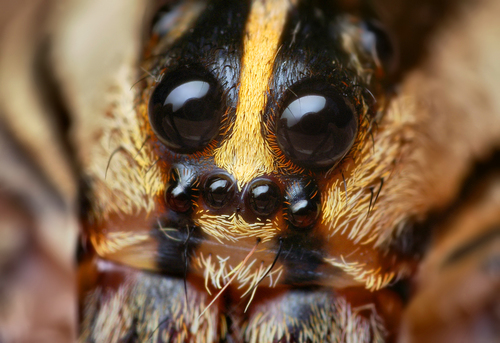
A fun nighttime summer and fall activity, especially with kids, is to head outside with a flashlight to a trail through the woods in search of spider eyeshine in the leaf litter. Hold the flashlight up next to your temple near your eyes and look for the jewel-like reflection of spider eyes in the velvety darkness. It might surprise you how many pinpricks of light you’ll see out there! Many of them belong to our large friends, the wolf spiders, fearsome predators of their invertebrate domain but not a threat to humans, even on Halloween.
For more information on Wolf Spiders, check out these links:
https://mdc.mo.gov/discover-nature/field-guide/wolf-spiders
https://www.thoughtco.com/wolf-spiders-family-lycosidae-1968565
https://bugoftheweek.com/blog/2015/7/16/wolves-on-a-summers-night-wolf-spiders-lycosidae
https://www.youtube.com/watch?v=4KeyN8L7WZk
Learn about wolf spiders, their role in nature, and why these misunderstood predators are valuable neighbors.