Lessons from a Lifetime on the Wolf River by Harry Babb


Some of my earliest connections to nature began in a canoe on the Wolf River. Growing up, my family paddled the Ghost River section - a hidden gem along the Wolf River that has always held a special place in my life. As a very young boy, I sometimes needed convincing to join my dad on the river, but somewhere along the way, those trips became something I cherished. Back then, I didn’t know its profound ecological significance, or that it was a TN State Natural Area - and I certainly didn’t understand what it had taken to protect it. The Ghost was a place I could just retreat into nature and be a curious kid. Today, I recognize how much I owe to the Wolf River Conservancy and the people who helped save those timeless Landscapes embedded within the Ghost River State Natural Area. Their efforts preserved a place that shaped my childhood and helped spark what would become my passion and purpose as a naturalist.
When I paddle those waters today, I sometimes think about the Indigenous people who walked the banks long before we were here. I picture families living along the Wolf River while the Egyptian pyramids were being built on the other side of the word. Later generations of Chickasaw people knew the river as Nashoba, meaning wolf in the Chickasaw language. That name brings to mind the red wolf, an iconic part of this landscape’s historical ecology that has since disappeared from the region. It reminds me that the river holds a much longer story than our own, and that protecting it means remembering what has been lost as well as caring for what remains.
The more I learn about the Wolf, the more extraordinary it becomes. From its beginnings in North Mississippi, to its meeting with the Mississippi River in Memphis, it passes through several Level IV Ecoregions, each with its own soils, landforms, and many different plant communities. Those transitions help explain the river’s remarkable biodiversity - different stretches provide different conditions for life, which means an incredible variety of plants and the animals that depend on them. Each stretch has its own story and characters, coming together along one connected river. Near the source in the North Mississippi Hill Country, wild azaleas line steep banks - some even with sandstone outcroppings. Winterberry holly, swamp tupelo and smooth alder occupy wet hollows, and open woodland slopes ascend from the water's edge. Each bend offers another glimpse of the landscape that makes the upper Wolf its own.
Around La Grange, Tennessee, the river enters the Loess Plains and the landscape becomes what I think of as home. Bottomland forests of swamp chestnut and cherrybark oak give way to the iconic cypress-tupelo swamps of the Ghost River. Weaving through groves of Virginia sweetspire and sensitive fern, you may find white turtlehead or cardinal flower along wet margins. In the Lost Swamp, a myriad of grasses, rushes, and sedges gather along sandy braided channels between small cypress brakes. Nearby, remnant prairies within ancient Wolf River terraces add another layer of biodiversity to the surrounding watershed. Many of these ecological sites may look very different from what we see on the river, yet their proximity is part of what makes the Wolf so rich in life. A small change in elevation, soil, or flooding can introduce an entirely different community of plants and animals.
Farther downstream through the heart of Memphis, I see a river healing - and a lot of people working to help it heal. Within the city, the Wolf holds so many opportunities for discovery by kayak, bike, or on foot. You’ll find wild hydrangeas hiding under pawpaws and elderberry sprawling along sunny edges. Trees like American sycamore, river birch, and silver maple drape over the channel. Approaching the Mississippi, the landscape takes on more of the character of the Mississippi Alluvial Plain, or “Delta” region. Cottonwood trees, roughleaf dogwood and wild hibiscus enter the picture until the Wolf gives way to the sandy banks of the Mississippi River.
Following the Wolf downstream is like watching the region’s natural history unfold, one section at a time. I’m still learning from the river, and will be for the rest of my life. Every paddle, every unfamiliar plant I get to learn about, and every conversation with someone who loves it gives me another reason to care. I encourage you to explore different sections of the Wolf, return in another season, and discover some of its many phases. Supporting the Wolf River Conservancy’s work helps protect that whole living landscape, and gives someone else the chance to experience what I got from it as a child: a connection to nature that can shape a lifetime.
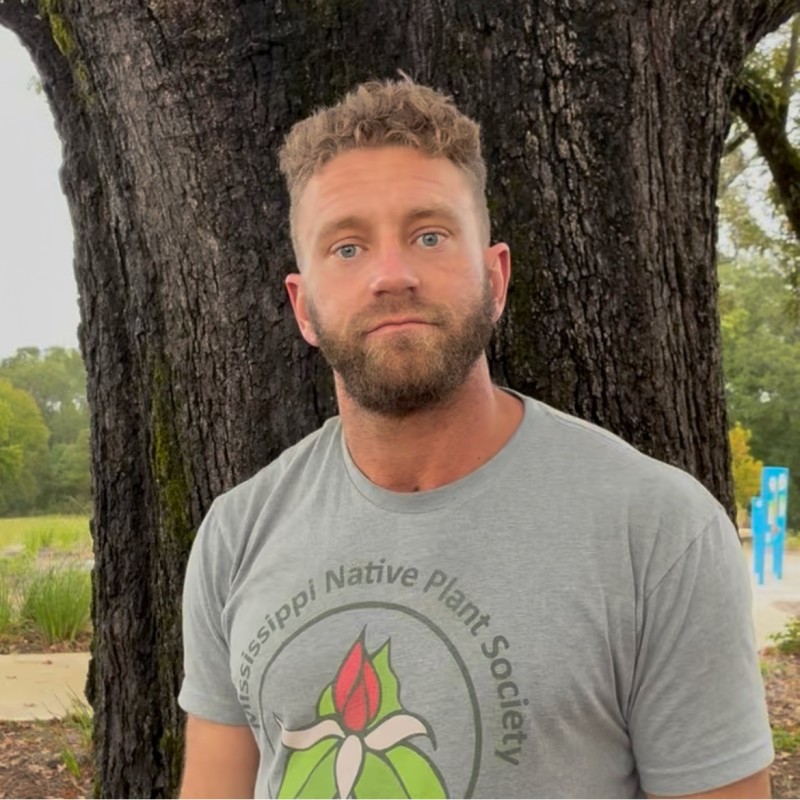
Harry Babb
Explore the Wolf River's diverse landscapes and discover how conservation protects its natural legacy.