The Future of Forest Management in Tennessee


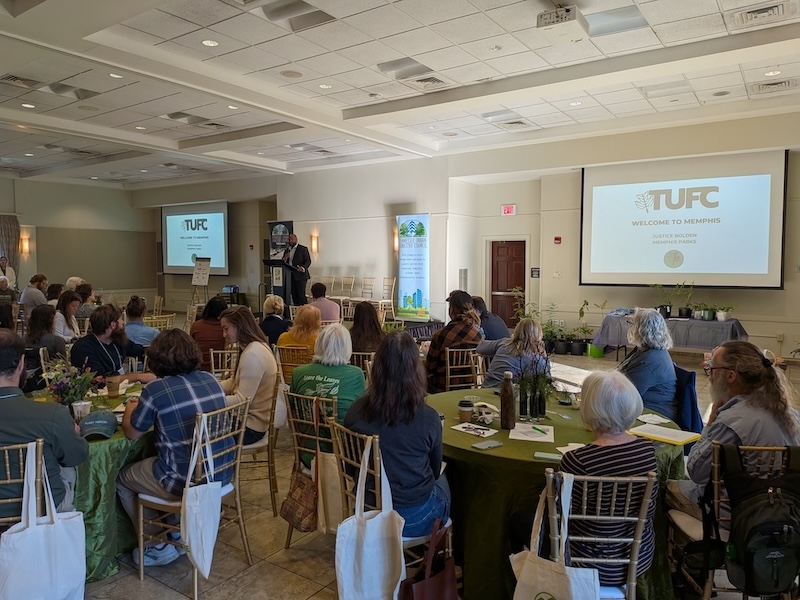
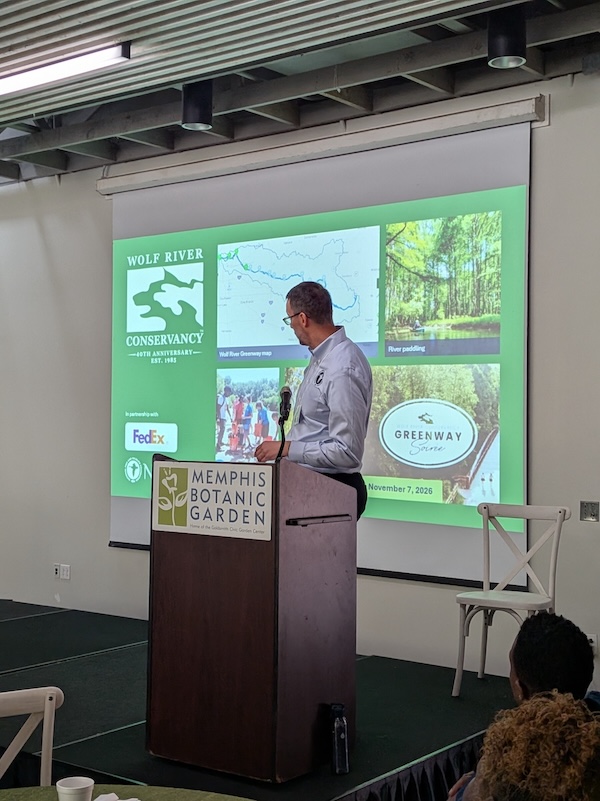
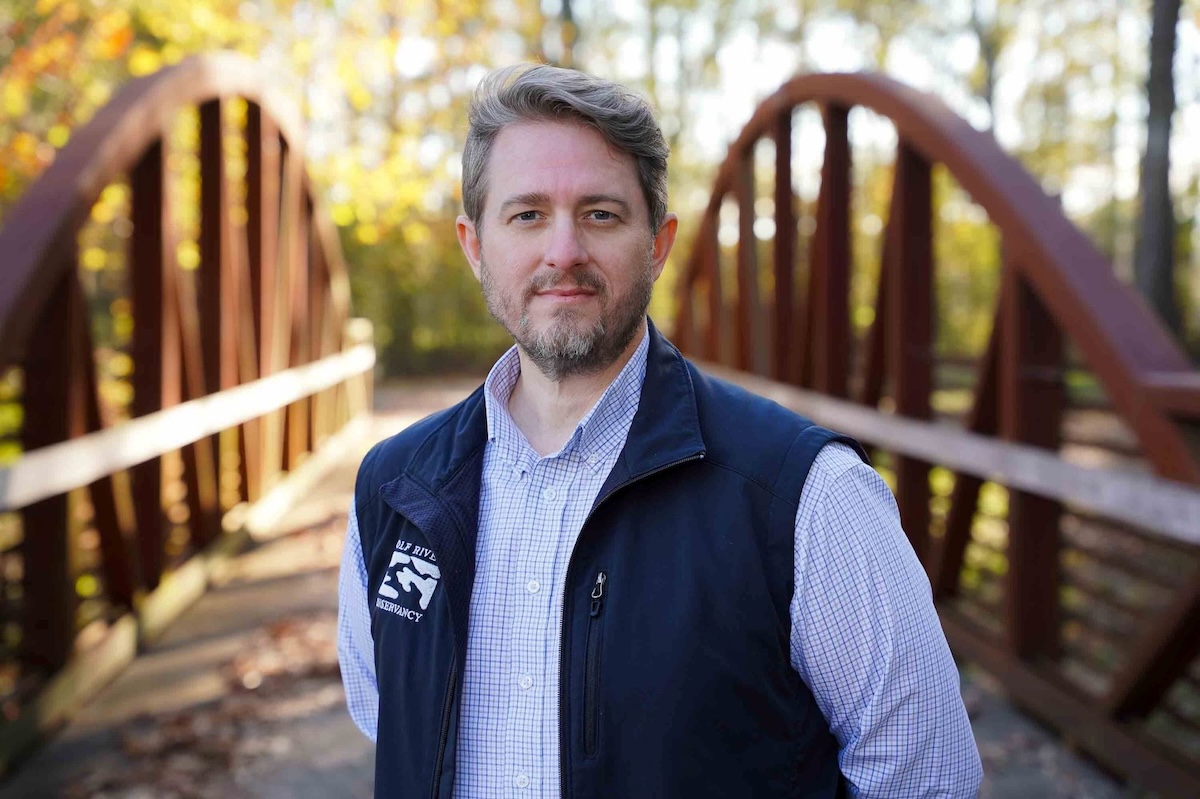
In late October, the Memphis Botanic Garden hosted the 2026 Tennessee Urban Forestry Council Conference. Wolf River Conservancy’s own Chief Conservation Officer Ryan Hall served on the opening panel alongside partner organizations and then presented about land stewardship in the lightning round portion towards the end of the conference.
The panel featured perspectives from arborists, foresters, and dedicated tree stewards in the Memphis area. Eric Bridges from Overton Park Conservancy detailed the value of forestry professionals teaching and doing research in a forest setting. Annalise Riekirk from Native Tree Works provided the efforts being done in Memphis on workforce development for the forestry profession. Scott Woods of Bartlett Tree service accounted the many ways of entering the arborist workforce and the paths one can take. Wes Hopper shared his wisdom by telling part of his professional timeline. Ryan offered a snapshot of the landowner-forester-logger relationships, detailing a worrisome trend that fewer landowners are consulting with foresters to better manage their land.
Instead, many landowners in west Tennessee are going straight to loggers until they find the one that pays the highest. Treating land strictly as a commodity with assets (timber) for the purpose of maximizing financial gain; rather than managing the land for sustained timber yield balanced with wildlife habitat benefits. This troublesome new trend of clear as much as possible with no regard to the future forest (and the people that come after) is also accompanied by subsequent listings of the subdivided property for sale. Smaller tracts of degraded forestland that need solid investments in forestry management to return the land more functional for wildlife and recreational use. Thousands of acres across west Tennessee are clearcut to the maximum with no thought of longevity for those forests. This very real threat existed for the #1 property that WRC protected, and thank goodness WRC, Ducks Unlimited, Tennessee Heritage Conservation Trust Fund, and onX Hunt provided funds to protect that gem of a property. These threats persist, but the Conservancy cannot help in every case.
When the Wolf River Conservancy can run interference to protect the most impactful forests to keep them intact or find better land management solutions, you can be assured that WRC will be there. WRC needs your help to advocate for better forest management across the state and throughout the watershed.
Wolf River Conservancy shares insights on forest stewardship, conservation, and sustainable land management.